




What is included
- 48 modules across core personal finance, investing, college and career, and financial math
- Teacher guides, student-facing presentations, articles, and assessments
- Real-time simulator experiences that reinforce classroom instruction












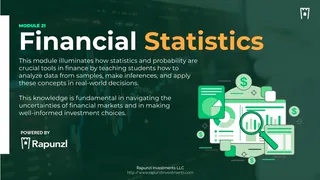
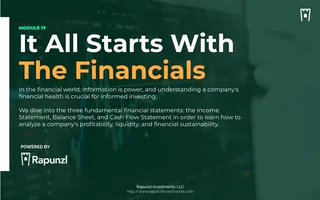

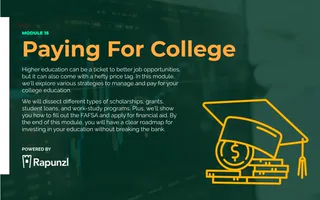


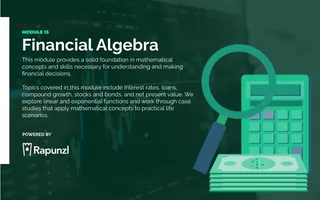
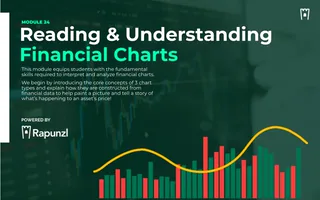
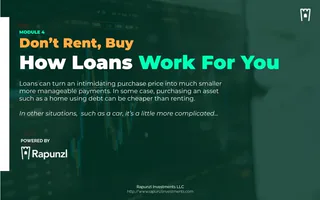

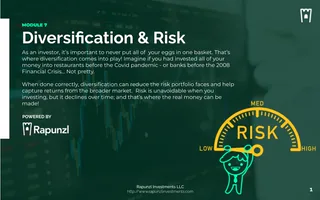

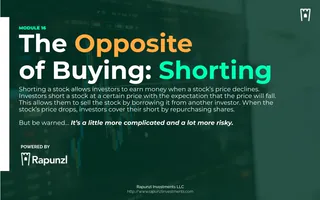
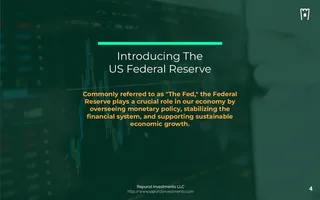

Every module is aligned with the Council for Economic Education’s National Financial Education Standards, plus state standards.
Scores are from Rapunzl's own pre- and post-program assessments. How we measured.
Rapunzl's personal finance curriculum is designed for middle and high school classrooms that need rigorous content without adding planning friction for teachers. Schools can use the full library as a semester course, a unit-by-unit supplement, or a standards-aligned resource across math, economics, business, and CTE.
Rapunzl's two econ mini-games help put students in the decision-maker's seat and provide project-based learning opportunities to apply classroom learning.
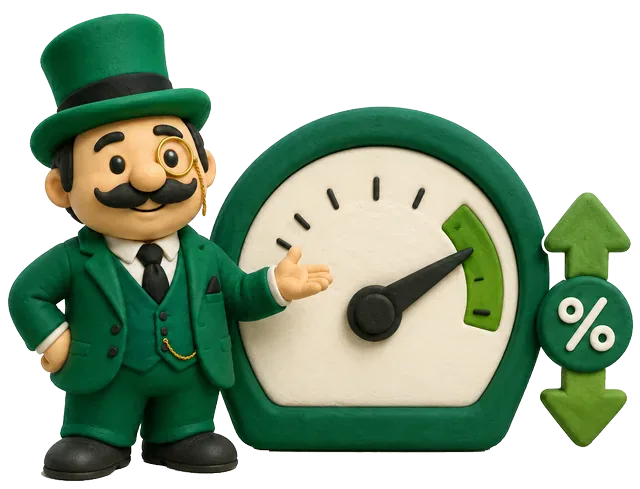
Students set the federal funds rate through real historical scenarios — Volcker's inflation fight, 2008, the pandemic — and watch inflation and unemployment respond on a lag.

Students start as a loan clerk and work up to bank president: reading borrowers, pricing risk, and growing a loan book that earns without blowing up.
Some schools adopt Rapunzl as a full high school financial literacy course. Others use it to strengthen an existing class with ready-to-teach modules on budgeting, saving, credit, taxes, insurance, careers, and investing.
Build a complete personal finance course with enough depth to support graduation pathways and recurring instruction across the term.
Add targeted personal finance units to courses that already exist, from math to business to economics.
Districts can use the same curriculum framework across multiple schools while still giving teachers flexibility in pacing and delivery.