





Stock Pitch Template
Fill in each part in your own words.















Every stock pitch rests on three parts: a thesis, the catalysts and the risks. Run the whole contest with your club.

Sample score27 / 30
 1
Each contestant narrows the field and picks one stock to argue for or against owning.
 2
Check the company's numbers and read its chart to build the evidence behind the case.
 3
Present the thesis, the catalysts that could move the price and the risks, then take the judges' questions.
 4
Judges score every pitch on the same rubric, then name a winner.
Score each pitch from one to five on six criteria, add the scores, and ask each judge to write one sentence on what would make the pitch stronger.
Share the rubric with contestants before kickoff.
Is the argument clear enough to say in one sentence?
Do the numbers from company financials and charts back it up?
Does the pitch name what could move the price, and when?
Does the pitcher name what could go wrong and how they would watch for it?
Does the pitch explain why the price looks too low, too high or about right?
Is the pitch organized, and are the answers to questions direct?
Our stock pitch template walks you through the parts of a pitch: the company, your thesis, the catalysts, the risks, valuation and your recommendation, plus the questions to expect.
Fill in each part in your own words.
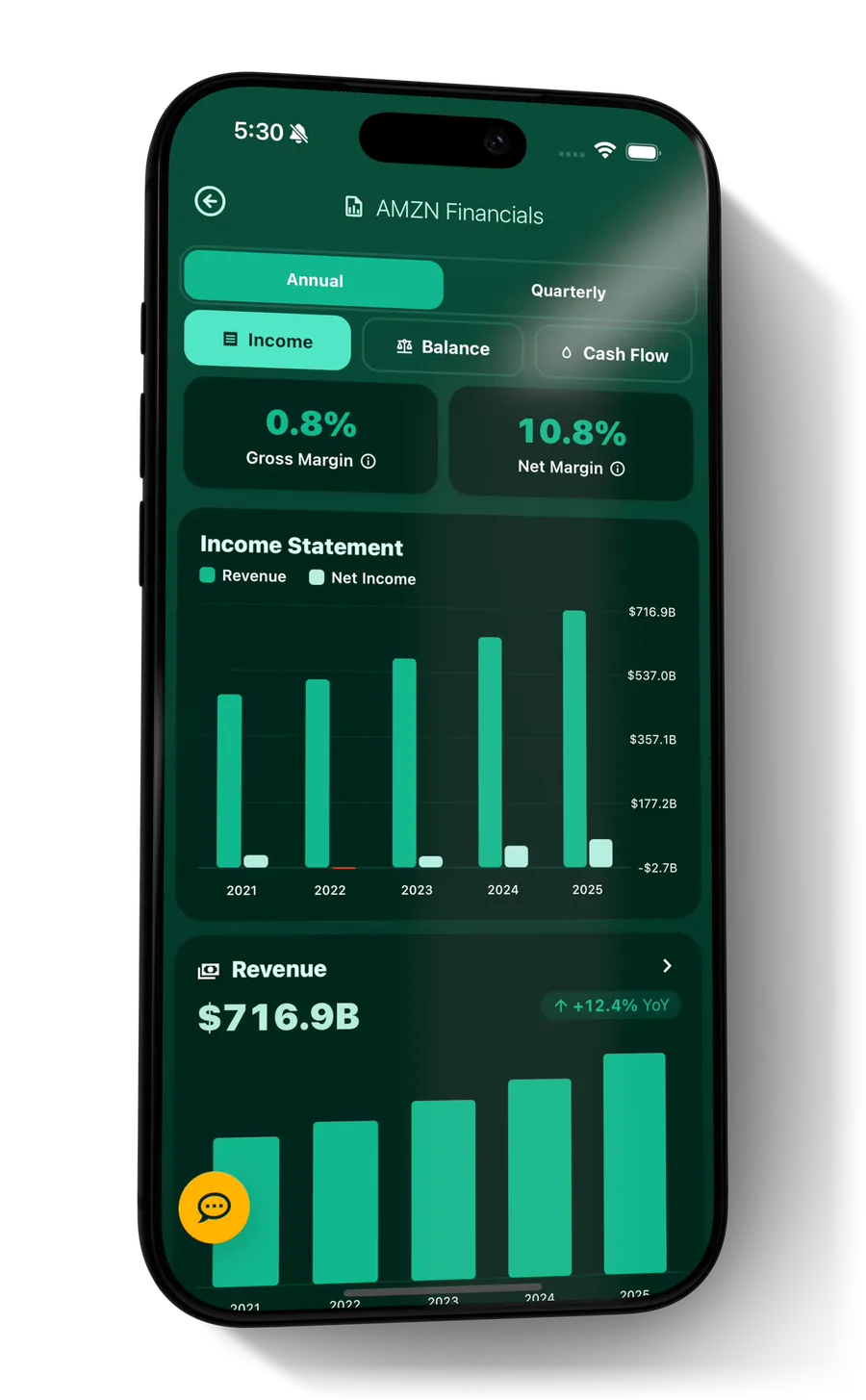
Students access interactive income statements, balance sheets and cash-flow charts built from companies' SEC filings, then study interactive charts and technical indicators on the same stock.
Every stock also shows a bull case and a bear case, a ready starting point for your thesis and your risks.

Find
63 filters and 34 ready-made ideas that narrow thousands of stocks to the few that fit your rules.
Check
Quarterly statements pulled from SEC filings, with links to the filings behind them.
Read
Moving averages, RSI and MACD on live charts, each one explained in Rapunzl's Technical Indicator Library.