





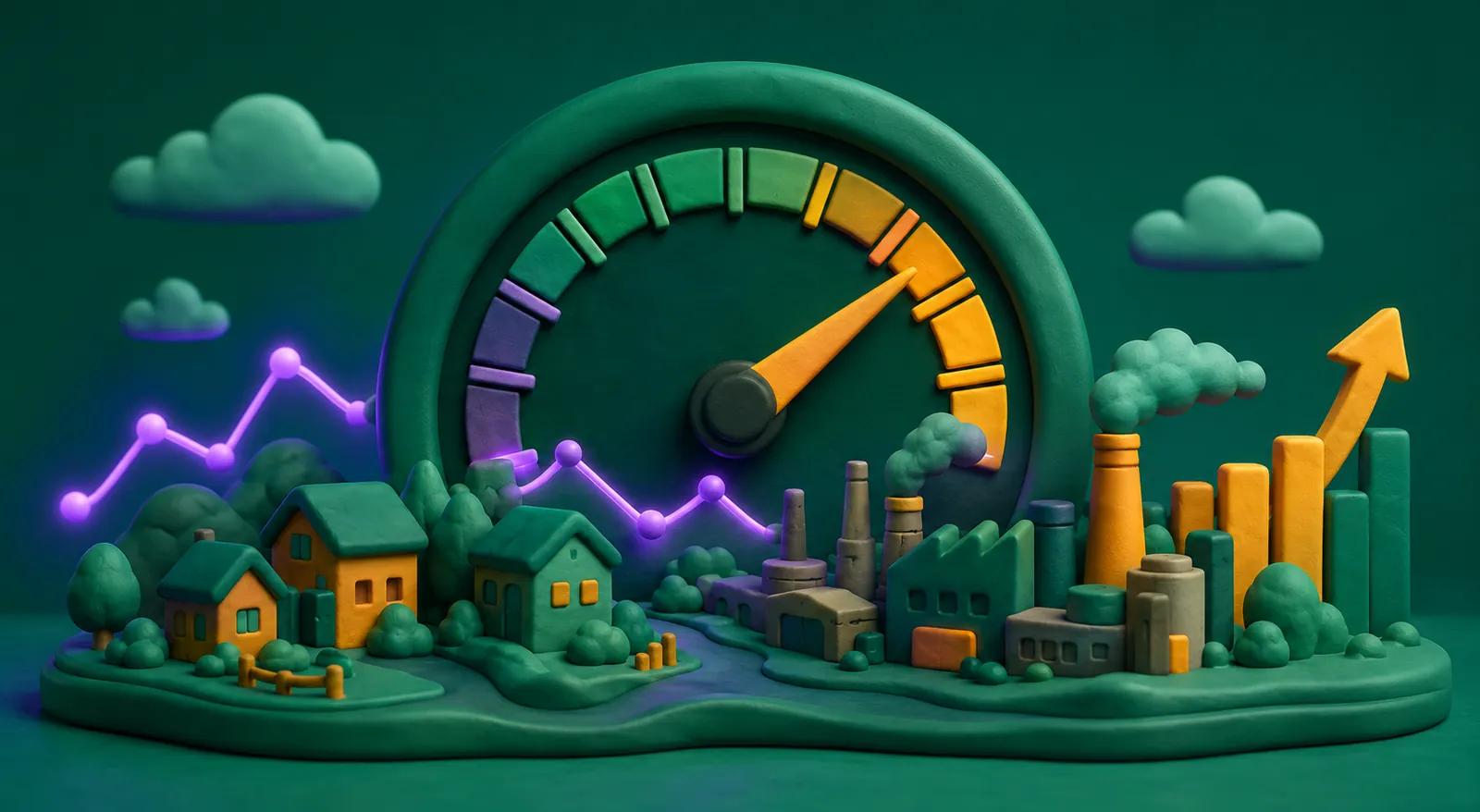





How to Build a Semester-Long Personal Finance Course
A week-by-week scope and sequence for a semester personal finance course: 18-week pacing, six core units, and assessment notes for teachers.













Financial literacy curriculum, investing simulator, and classroom implementation guidance for the people bringing money education to life.
A week-by-week scope and sequence for a semester personal finance course: 18-week pacing, six core units, and assessment notes for teachers.

Teach technical analysis honestly: RSI, MACD, moving averages, and Bollinger Bands as the market's shared language, not a crystal ball.

Personal finance in middle school math: fold budgeting, percent, and data into the math standards you already teach, no separate course needed.

StockTrak vs. Rapunzl: a college-grade trading simulator versus a standards-aligned high school course. An honest look at which fits your classroom.

How to grade a stock market simulation fairly: a ready-to-use rubric that scores process, reflection, and decision quality instead of luck. Grades 6-12.

An honest head-to-head on Rapunzl and PersonalFinanceLab: simulator depth, curriculum, teacher controls, and which classroom each one actually fits.

Why live market data matters in a classroom stock simulator: real cause and effect, real volatility lessons, and how to use both safely.

Texas HB 27 makes a half credit of personal financial literacy a graduation requirement, starting with 9th graders in 2026-27. The Class of 2030 is first.

5 fun, concrete ways to get your kids excited about money, from goal jars to owning a piece of their favorite brand to a no-risk investing game.

HB 342 replaces Kentucky's embedded standards with a required one-credit financial literacy course, first held to the Class of 2029. What it takes.

Rapunzl vs. EVERFI for schools: what the free sponsored model buys you, what it costs in engagement, and four questions that settle the choice.

Build a modern high school economics course: a flexible 12-week, standards-aligned curriculum where students investigate 70+ years of real economic data.